

Imagine you have just produced a perfect batch of crunchy banana chips or premium aromatic tea. The quality is top-notch, the flavor is consistent, and the demand is high. But three weeks later, you get a complaint: the chips are soggy, or the tea has lost its scent.
What went wrong? In nine out of ten cases, the culprit is a poor seal.
In the world of manufacturing, Bag Sealing Machines are the unsung heroes of the production line. They are the final gatekeepers that stand between your high-quality product and the outside world. Whether you are a small startup packing spices in a garage or a large-scale factory handling tons of atta, the way you seal your bags determines your shelf life, your brand reputation, and ultimately, your bottom line.
This guide will walk you through the essentials of sealing technology, helping you navigate the transition from manual struggle to automated precision.
Why Is Sealing the Most Critical Step in Your Process?
It is easy to get caught up in the filling part of packaging, making sure you have exactly 500g of namkeen in every bag. But if the seal is weak, that weight doesn't matter.
Moisture and Oxygen Protection
For food products like candy, chips, or powdered spices, moisture is the enemy. Even a microscopic gap in a seal allows humidity to enter, turning crunchy snacks soft and clumping together fine powders. A professional sealing setup creates an airtight barrier that keeps the environment out.
Prevention of Pilferage and Leakage
During transit, bags are tossed, stacked, and vibrated. Poorly sealed bags will burst under pressure, leading to messy crates and financial losses. High-quality Bag Sealing Machines provide a weld-strength seal that can withstand the rigors of the Indian supply chain.
Consumer Confidence
Have you ever tried to open a packet where the seal was crooked or messy? It feels cheap. A clean, straight, and professional seal tells the customer that the brand cares about quality and hygiene.
Moving Beyond Hand-Sealers: The Automation Ladder
Many small businesses start with a manual pedal sealer or a hand-operated heat bar. While these are fine for very low volumes, they carry a high consistency risk. The seal quality depends entirely on how long the operator holds the bar down.
When you move toward an automatic packaging machine, you remove the human error. Here is how the technology scales:
Continuous Band Sealers
These are the next step up for growing units. Bags are placed on a conveyor and passed through heating and cooling blocks. They are fast, but they still require a human to hold the bag at the entry point.
Integrated VFFS Sealing
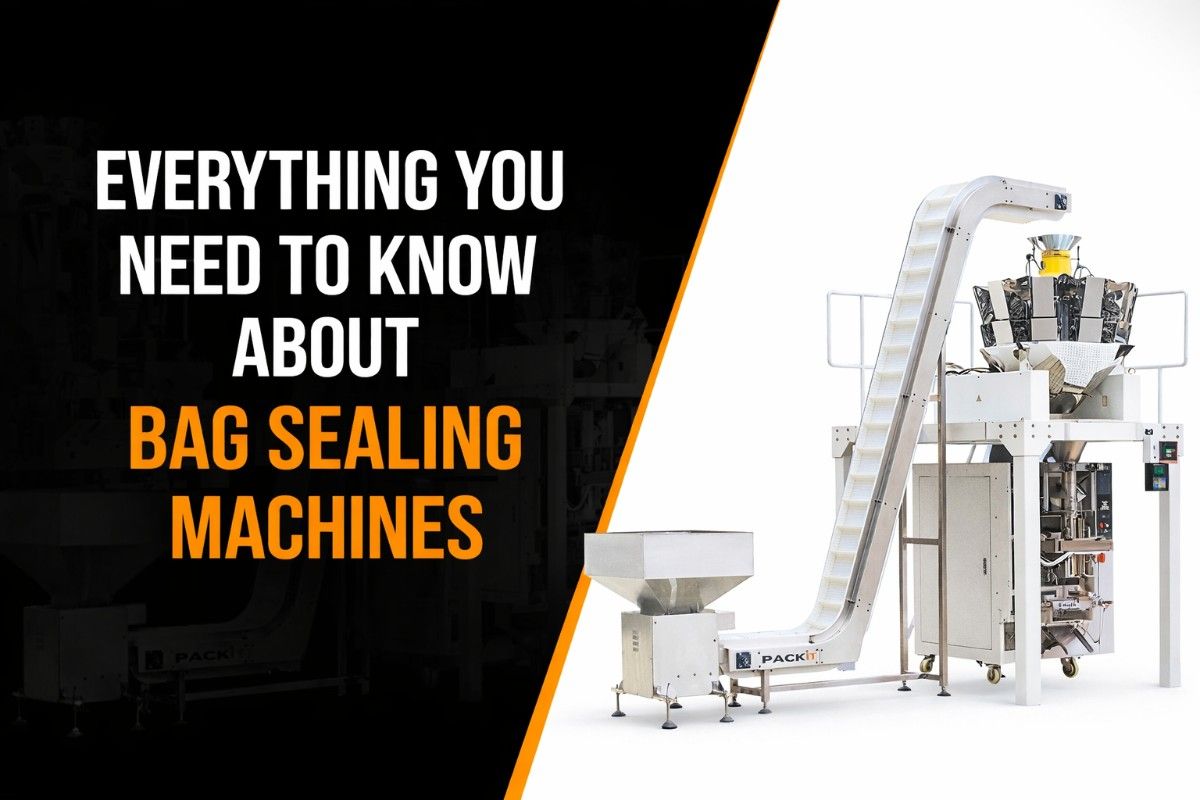
For those looking for total efficiency, the VFFS machine (Vertical Form Fill Seal) is the gold standard. In this system, the sealing mechanism is integrated into the entire packaging flow. As the machine forms the pouch and fills it, the horizontal and vertical sealers work in perfect synchronization to close the bag. This is where most modern food and FMCG brands find their sweet spot.
How to Match a Sealer to Your Industry
Different products require different sealing behaviors. For example, the snack industry (chips and namkeen) requires sealing with Nitrogen flushing to prevent oxidation and provide cushioning.
Pantry staples like Atta, rice, and pulses need wide-ribbed seals to hold the weight of 1kg to 5kg bags securely. Meanwhile, fine powders like spices and masalas require specialized sealers that can seal through a bit of dust to ensure a 100% airtight finish. Even liquid products like oil or milk rely on high-integrity impulse sealing to prevent messy leaks during transport.
The Technology Behind the Heat: How It Works
Most Bag Sealing Machines work on one of two principles:
-
Constant Heat: The sealing bars are always hot. This is great for thick laminates and high-speed production lines where the machine never stops.
-
Impulse Heat: The bars heat up only when they press together. This is energy-efficient and excellent for thinner, single-layer plastic bags.
When looking at industrial packaging solutions, it is vital to know which one your laminate film requires. Using the wrong heat type can lead to burning the plastic or, conversely, a seal that looks closed but peels open with the slightest touch.
Key Decision Factors Before You Buy
Choosing the right machine involves more than just looking at the packaging machine price. You need to consider the Total Cost of Ownership.
1. Seal Width and Texture
Standard seals are usually 8mm to 10mm wide. However, for premium products, you might want a micro-perforated seal or a specific texture (like a diamond pattern) that makes the bag look more attractive on the shelf.
2. Speed and Throughput
How many bags do you need to seal per minute? A manual sealer might do 5 to 10. A semi-automatic band sealer might do 20 to 30. A fully automatic packaging machine can easily cross 60 to 80 bags per minute. Match the machine to your production capacity.
3. Ease of Maintenance
Heating elements and Teflon belts are wear and tear parts. Before buying, ask: how easy is it to replace the heating wire? Does the machine have a self-diagnostic tool that tells the operator if the temperature has dropped?
4. ROI and Scalability
A machine that saves you 2% in product wastage and allows you to reduce your labor force will pay for itself very quickly. Look for machines that can grow with you, ones that allow for different pouch sizes with minimal mechanical changes.
Why Manufacturers Are Turning to VS PacKit
In the competitive Indian market, reliability is everything. VS PacKit has established itself as a leader by focusing on the ground-level realities of Indian factories, including high temperatures and dusty environments.
The VS PacKit advantage includes:
-
Advanced VFFS Technology: Their machines integrate high-precision sealing bars that ensure a 99.9% success rate in airtight integrity.
-
Customized Sealing Heads: Whether you are packing fine chili powder or heavy grains, they customize the sealing pressure for your specific material.
-
Durability: Built with heavy-duty components, these machines are known for their high up-time during peak festive seasons.
-
Expert Support: As a trusted local manufacturer, they provide the technical training and spare parts that imported machines often lack.
Troubleshooting Common Sealing Issues
Even with a great pouch packing machine, things can occasionally go wrong. Here is how to spot and fix common problems:
-
The Burn-Through: If the bag is melting or sticking to the bars, your temperature is too high, or your dwell time is too long.
-
The Cold Peel: If the seal looks okay but opens easily, the temperature is too low. The layers haven't actually fused.
-
The Leaker: If you see small holes at the corners, you might need more sealing pressure or a machine with gusseting capabilities.
-
The Wrinkle: If the seal isn't flat, the tension on your film roll is likely incorrect.
Frequently Asked Questions
1. What is the difference between a band sealer and a VFFS sealer?
A band sealer is a standalone unit where you manually feed already-filled bags. A VFFS machine is a complete system that makes the bag, fills it, and seals it all in one vertical motion.
2. Can one machine seal both plastic and paper bags?
Usually, no. Paper bags often require a glue or a sewing mechanism, whereas plastic or laminate pouches require heat. However, some paper bags have a thin plastic lining that can be heat-sealed.
3. How often do I need to replace the heating elements?
In a high-volume factory, heating wires or Teflon tapes might need replacement every few weeks or months. It is a simple, five-minute job if you have a well-designed machine like those from VS PacKit.
4. Does the thickness of the pouch matter?
Yes. Thicker pouches (high micron) require more heat and more pressure. When you buy a Bag Sealing Machines setup, you should always test it with the exact thickness of the film you plan to use.
Final Thoughts: Making the Right Choice
The transition from manual sealing to a professional automatic packaging machine is a milestone in your business's history. It marks the point where you stop worrying about "will this bag hold?" and start focusing on "how many more stores can we supply?"
A perfect seal is a silent promise to your customer that the food inside is fresh, safe, and hygienic. Don't let a weak seal be the weak link in your business.
Ready to upgrade your production line? If you are looking for a partner to help you choose the right sealing technology for your specific product, reach out to the experts at VS PacKit. We specialize in high-performance industrial packaging solutions that help Indian businesses scale with confidence.